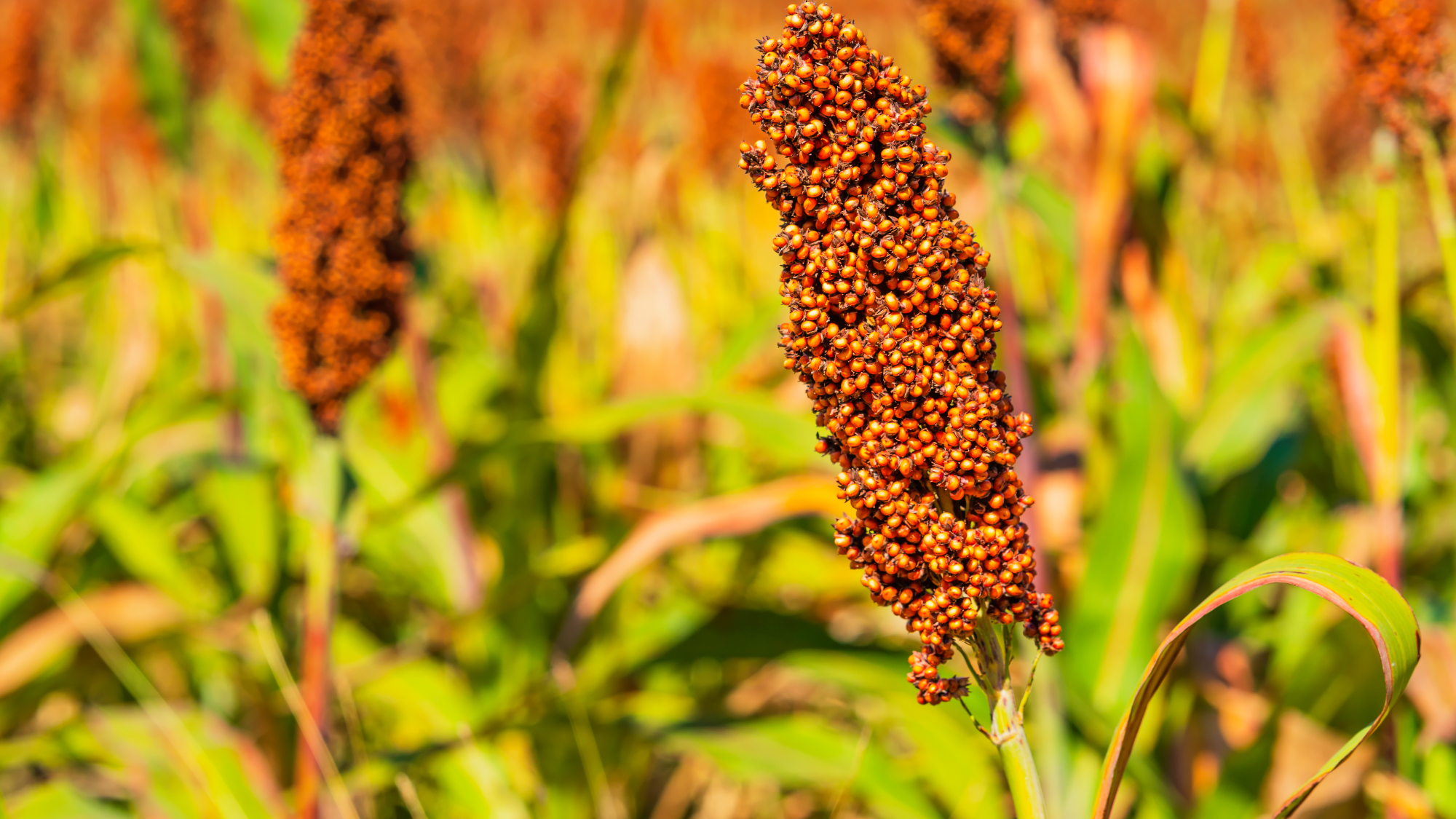
Millet is one of Africa’s oldest cultivated grains, prized for its resilience in hot, dry climates and its rich nutritional profile. In West Africa, millet is a staple for porridge, couscous-style dishes, and local beverages. In East Africa, it features in traditional flatbreads, porridges, and fermented drinks. Naturally gluten-free and packed with essential nutrients, millet is an important crop for both food security and healthy living.
Nutrient profile of millet
Millet is a small, round grain that comes in several varieties, including pearl, finger, and foxtail millet. A 100-gram serving of cooked millet provides approximately:
- Calories: 119 kcal
- Carbohydrates: 23.7 g
- Protein: 3.5 g
- Fat: 1 g
- Fiber: 1.3 g
Millet is rich in vitamins and minerals, including:
- Magnesium – supports nerve function and helps regulate blood pressure
- Phosphorus – essential for bone health and energy production
- Iron – supports oxygen transport and helps prevent anemia
- B vitamins (especially niacin, B6, and folate) – important for energy metabolism and brain health
- Manganese – aids in metabolism and antioxidant protection
Finger millet (Eleusine coracana) is especially high in calcium, making it a valuable grain for bone strength.
Traditional and modern uses
West Africa
- Millet porridge (ogi, koko, or arraw) for breakfast
- Steamed millet couscous-style dishes like bassi or tô
- Locally brewed beverages such as dolo or pito
East Africa
- Flatbreads such as roti and chapati enriched with millet flour
- Fermented porridges and beverages like uji in Kenya and Tanzania
- Finger millet (wimbi) used for nutritious baby food and postnatal meals
Millet’s adaptability makes it suitable for both traditional recipes and modern baking or gluten-free products.
Health benefits of millet
Millet offers a range of potential health benefits:
- Supports heart health – magnesium, potassium, and fiber may help regulate blood pressure and cholesterol
- Promotes digestive health – fiber aids in digestion and helps maintain healthy gut bacteria
- Helps manage blood sugar – its low glycemic index can be beneficial for people with diabetes when eaten in moderation
- Boosts bone strength – finger millet is one of the richest plant-based sources of calcium
- Supports anemia prevention – iron content helps maintain healthy red blood cell levels
Because it is gluten-free, millet can be enjoyed by people with celiac disease or gluten sensitivity.
Safety and preparation tips
While millet is safe for most people, it contains goitrogens, natural substances that may affect thyroid function in individuals with iodine deficiency if consumed in very large amounts over time. To enjoy millet safely:
- Soak or ferment before cooking to reduce anti-nutrients and improve mineral absorption.
- Cook thoroughly – boiling, steaming, or roasting helps enhance digestibility.
- Pair with vitamin C–rich foods like citrus or tomatoes to improve iron absorption.
Takeaways for healthy millet consumption
- Rotate millet with other whole grains for variety in your diet
- Use finger millet for a calcium boost, especially in bone-strengthening diets
- Incorporate millet into both traditional African meals and modern recipes
- Soak or ferment before cooking to get the most nutritional value